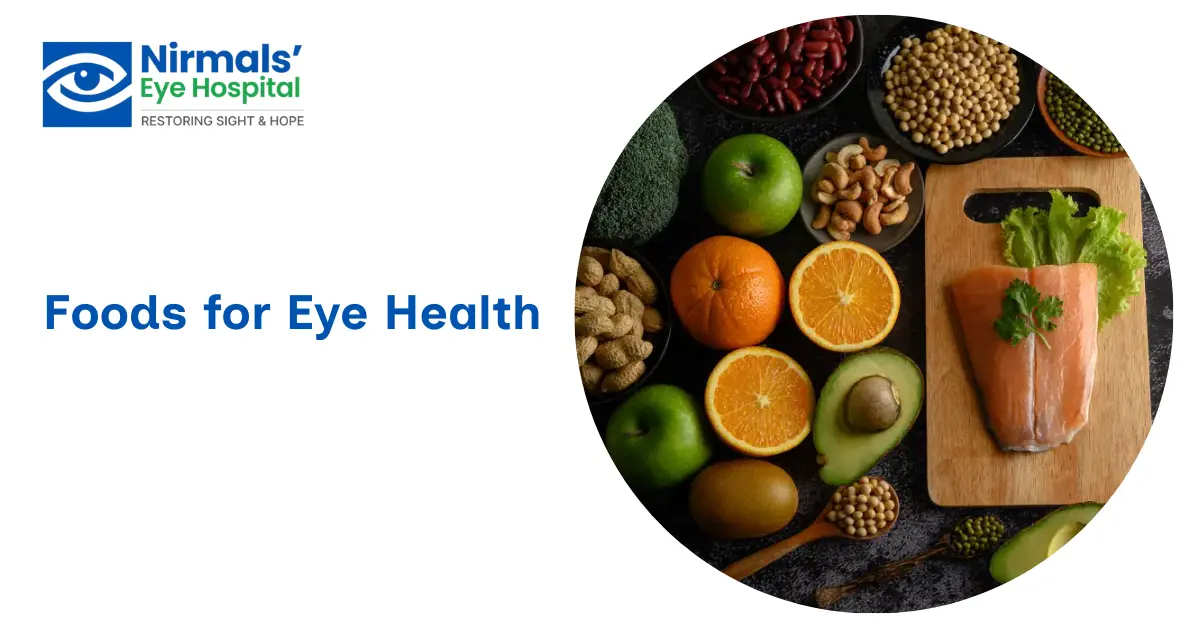
Eye health is all about keeping your vision sharp, your eyes protected, and the delicate structures inside them functioning smoothly. It’s influenced by everything your lifestyle, screen habits, hydration, and even the nutrients you consume daily. Strong eyesight doesn’t happen by luck; it’s built through consistent care and smart choices. And one major factor that often gets ignored is nutrition. When you start paying attention to the right Foods for Eye Health, you’re not just eating well you’re investing in clearer vision and long-term protection against common eye issues.
Why Nutrition Matters for Eye Health
Good nutrition strengthens every part of the eye, protecting vision and preventing long-term damage naturally.
- The right Foods for Eye Health supply antioxidants that shield the retina from oxidative stress, slowing age-related vision decline. These nutrients also support lens clarity, reducing the chances of early cataract formation.
- Many of the best food to eat for eye health contain lutein and zeaxanthin, two carotenoids that act like internal eye protection. They filter harmful blue light and reinforce the macula, preserving sharp central vision.
- Adding healthy foods for eye health, such as omega-3 fish, leafy greens, and nuts, enhances tear stability and reduces inflammation. These foods good for eye health also improve blood flow to the optic nerve, supporting long-lasting visual comfort and stability.
Key Nutrients That Benefit the Eyes
- Vitamin A: Supports night vision and prevents dryness, making it a vital part of Foods for Eye Health. It helps the eyes adapt to low light and protects the cornea from damage.
- Lutein & Zeaxanthin: These antioxidants filter blue light and strengthen the macula, making them among the best food to eat for eye health. They reduce the risk of macular degeneration and preserve central vision.
- Omega-3 Fatty Acids: Improve tear quality and reduce inflammation, making them essential healthy foods for eye health. They also support retinal function and visual development.
- Vitamin C: Prevents lens clouding and strengthens blood vessels, positioning it among top foods good for eye health. Its antioxidant action helps lower the risk of cataracts.
- Vitamin E: Protects retinal cells from oxidative stress and enhances long-term clarity. When combined with other nutrients, it strengthens the effects of Foods for Eye Health.
- Zinc: Helps transport Vitamin A to the retina and supports low-light vision. This mineral pairs well with many healthy foods for eye health to boost overall visual strength.
Foods That Promote Better Vision
A nutrient-rich diet plays a major role in keeping your eyes sharp, hydrated, and protected daily.
- Leafy Greens (Spinach, Kale, Collards): These are loaded with lutein and zeaxanthin two antioxidants that shield the retina from oxidative stress. Regular intake helps slow down age-related vision decline, keeping your central vision sharp and stable.
- Carrots & Orange Veggies: Rich in beta-carotene, they support the production of Vitamin A, a key nutrient for night vision and overall eye surface protection. These foods for eye health also help maintain tear film stability and reduce dryness issues.
- Fatty Fish (Salmon, Sardines, Tuna): Omega-3 fats strengthen the retinal cells and reduce inflammation inside the eye. They’re the best food to eat for eye health if you struggle with dry, irritated eyes or spend long hours on screens.
- Eggs (Especially the Yolk): A natural combo of lutein, zeaxanthin, zinc, and Vitamin A makes eggs a powerhouse for macular protection. Consuming them consistently supports healthy foods for eye health and prevents early macular damage.
- Citrus Fruits & Berries: Packed with Vitamin C, they help maintain strong blood vessels inside the eye and reduce cataract risk. Add them to your daily routine to boost antioxidant levels and refresh tired, overworked eyes.
- Nuts & Seeds (Almonds, Chia, Walnuts): These foods good for eye health fight free-radical damage and improve tear quality. They also assist in slowing age-related vision loss by supporting the cornea and retina.
Lifestyle and Eye-Friendly Diet
Healthy habits mixed with smart food choices keep your eyes stronger, clearer, and better protected daily.
- Stay Hydrated: Adequate water intake supports tear production and prevents dry, irritated eyes. Hydration also improves nutrient delivery to retinal cells, keeping your vision stable during long work hours.
- Follow a Balanced Plate: Combine foods for eye health like greens, fish, nuts, and citrus for all-round protection. These nutrients act together to reduce oxidative stress and keep your macula functioning efficiently.
- Limit Ultra-Processed Foods: High salt, sugar, and trans-fat levels accelerate inflammation that harms the retina. Swapping junk for the best food to eat for eye health helps slow age-related vision changes.
- Prioritize Omega-3s: Fatty fish, walnuts, and chia seeds are powerful healthy foods for eye health that support tear quality. They also calm inflammation and help prevent digital dryness from prolonged screen time.
- Eat Vitamin-Rich Snacks: Fruits, eggs, and nuts serve as easy foods good for eye health that support daily eye repair. These options fuel your retinal tissues and help maintain long-term visual clarity.
Why Choose Professional Eye Care
Expert guidance from trusted centres like Nirmals Eye Hospital ensures early detection, sharper vision, and long-term eye protection.
- Early Detection Matters: Many eye issues stay hidden until they’re already serious, making professional screening essential. Specialists at Nirmals Eye Hospital identify problems early, preventing avoidable damage and vision loss.
- Accurate Diagnosis & Guidance: With advanced diagnostic tools, the team evaluates your retina, cornea, and overall vision precisely. You get tailored advice beyond basic foods for eye health, ensuring real, meaningful improvement.
- Personalized Treatment Plans: Whether it’s dryness, refractive errors, or strain, experts create plans that fit your lifestyle. This goes deeper than the best food to eat for eye health, offering solutions that actually fix the root cause.
- Monitoring Eye-Linked Conditions: Glaucoma, diabetic eye issues, and macular degeneration need consistent supervision. Nirmals Eye Hospital provides structured follow-ups supported by healthy foods for eye health and protective habits.
- Long-Term Vision Protection: Their specialists help build routines using evidence-backed foods good for eye health and lifestyle changes that keep your eyes future-ready. It’s proactive care designed for lifelong clarity.
Conclusion
Choosing the right foods for eye health isn’t just a wellness trend it’s a long-term investment in how clearly you see the world. From omega-3 rich fish to antioxidant-loaded greens, these nutrients protect your retina, sharpen your vision, and reduce everyday strain. The best food to eat for eye health isn’t one magic item, but a mix of vitamins, minerals, and healthy fats that work together. Building your routine with healthy foods for eye health keeps your eyes hydrated, protected, and future-ready. When you consistently pick foods good for eye health, you’re not just eating smart you’re making sure your vision stays strong for years.